Plastic Water Flow Control Valves are essential components used across various industries for regulating and controlling the flow of water. These valves, often made from high-quality plastic materials, offer a range of benefits, including cost-effectiveness, durability, and ease of installation. In this article, we will explore the features, applications, and advantages of Plastic Water Flow Control Valves, while also highlighting their significance in both residential and industrial settings.
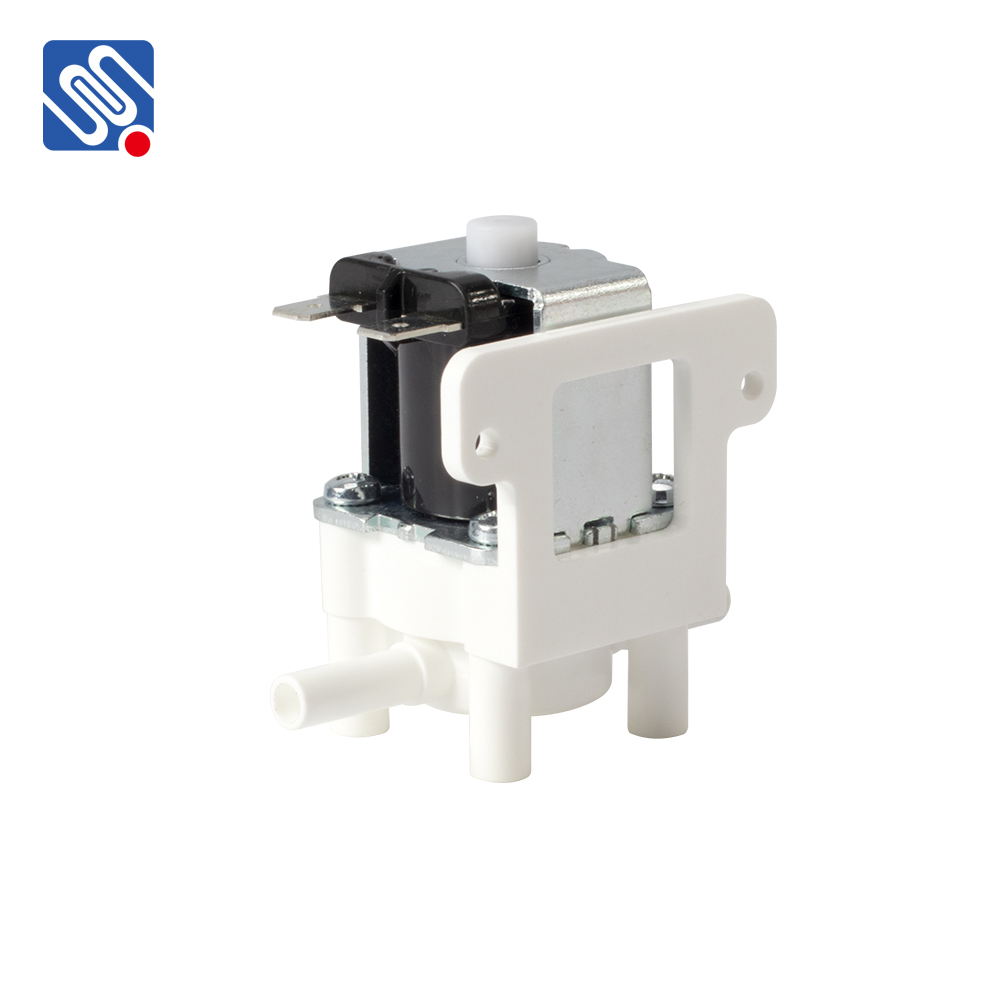
Introduction to Plastic Water Flow Control Valves Plastic Water Flow Control Valves are designed to regulate the rate of water flow within a system. These valves allow users to adjust the flow to meet specific requirements, whether for irrigation systems, industrial processes, or water treatment plants. The core function of these valves is to either increase or decrease the flow rate, ensuring a controlled water supply that optimizes system performance. Made primarily from plastic materials like polyethylene (PE), polypropylene (PP), and polyvinyl chloride (PVC), these valves are highly resistant to corrosion, making them ideal for applications involving exposure to harsh chemicals or fluctuating water qualities. Their ability to endure the rigors of constant use while maintaining functionality makes them a go-to choice for many industries.