In recent years, lithium-ion batteries have emerged as the preferred choice for energy storage across various sectors, including consumer electronics, electric vehicles, and renewable energy systems. As the demand for these batteries continues to grow, there is an increasing emphasis on safety and longevity. One critical component that plays a pivotal role in ensuring the safe operation of lithium batteries is the WCB Lithium Battery Valve. This article explores the purpose, functionality, and significance of the WCB Lithium Battery Valve in the realm of modern energy storage solutions.
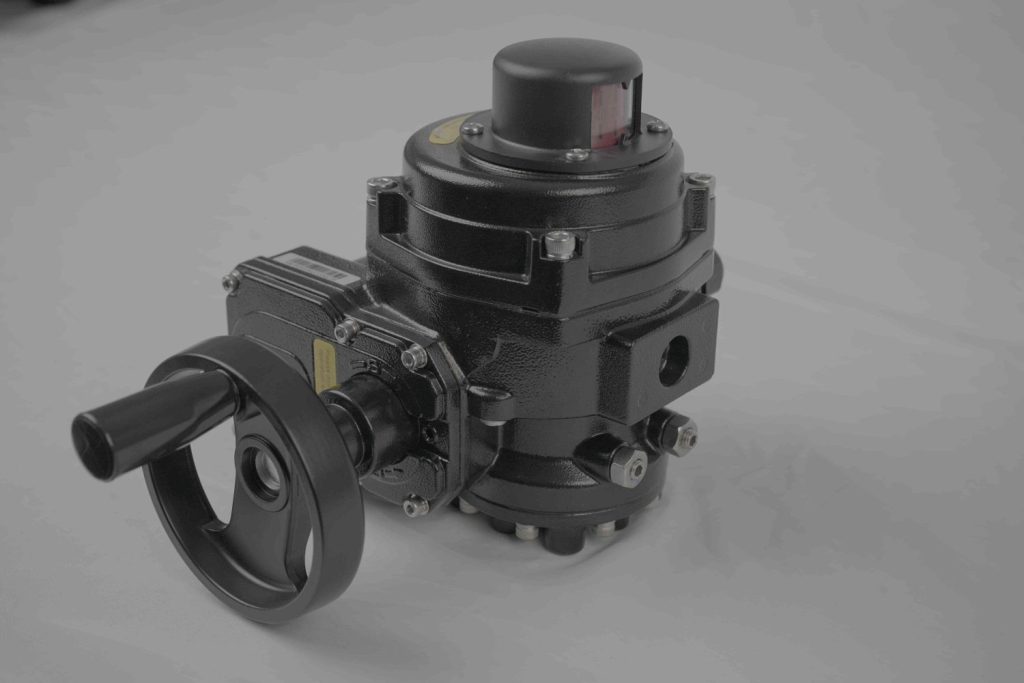
What is the WCB Lithium Battery Valve? The WCB Lithium Battery Valve is a safety device specifically designed for lithium-ion batteries. Its primary function is to regulate internal pressure by venting gases that accumulate due to chemical reactions within the battery. These reactions can occur during charging and discharging cycles or as a result of overcharging, overheating, or manufacturing defects. The valve acts as a protective mechanism that prevents potential hazards such as battery swelling, leakage, or even catastrophic failure. Mechanism of Operation The operation of the WCB Lithium Battery Valve is both sophisticated and essential. Under normal operating conditions, the valve remains closed, sealing the battery and maintaining its integrity. However, if the internal pressure rises beyond a predetermined threshold, typically due to excessive heat or gas generation, the valve automatically opens. This venting process allows gases to escape, thus reducing the pressure within the battery and mitigating the risk of explosions or fires.