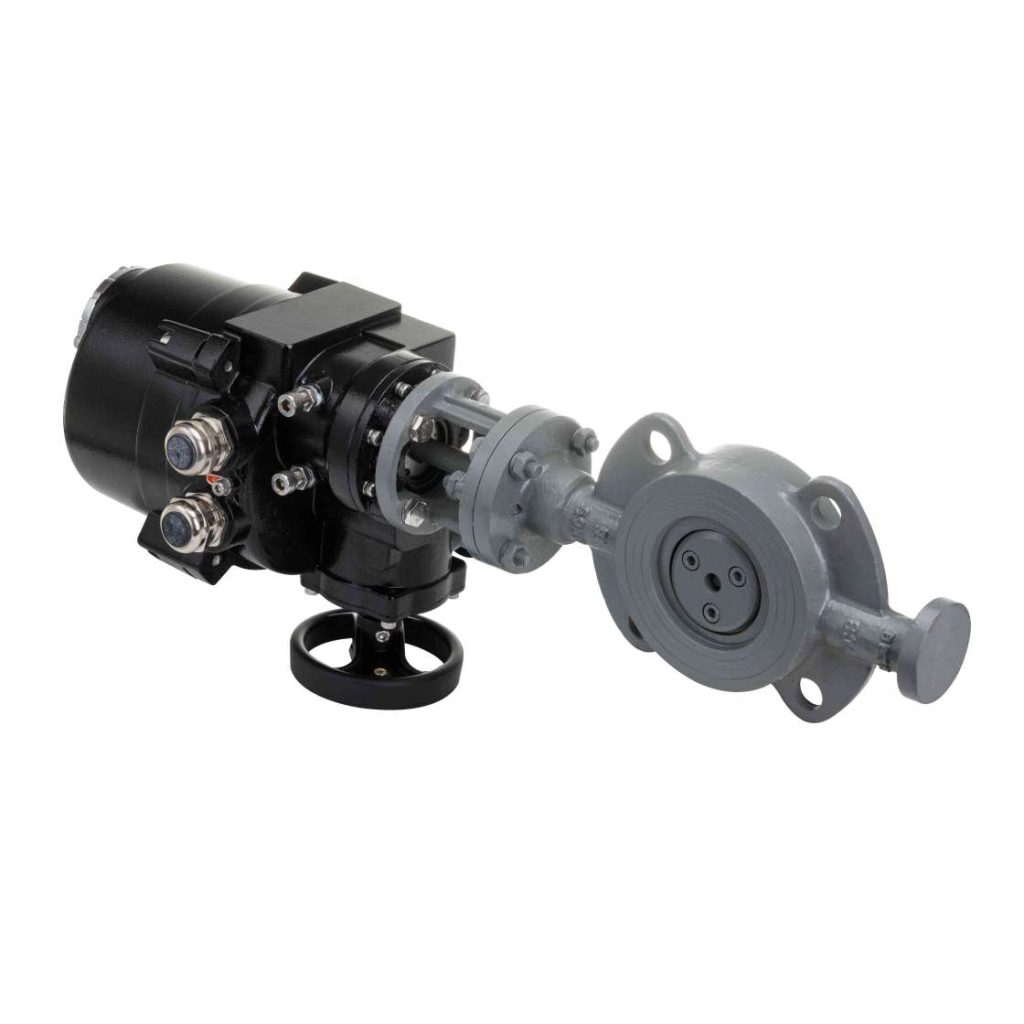
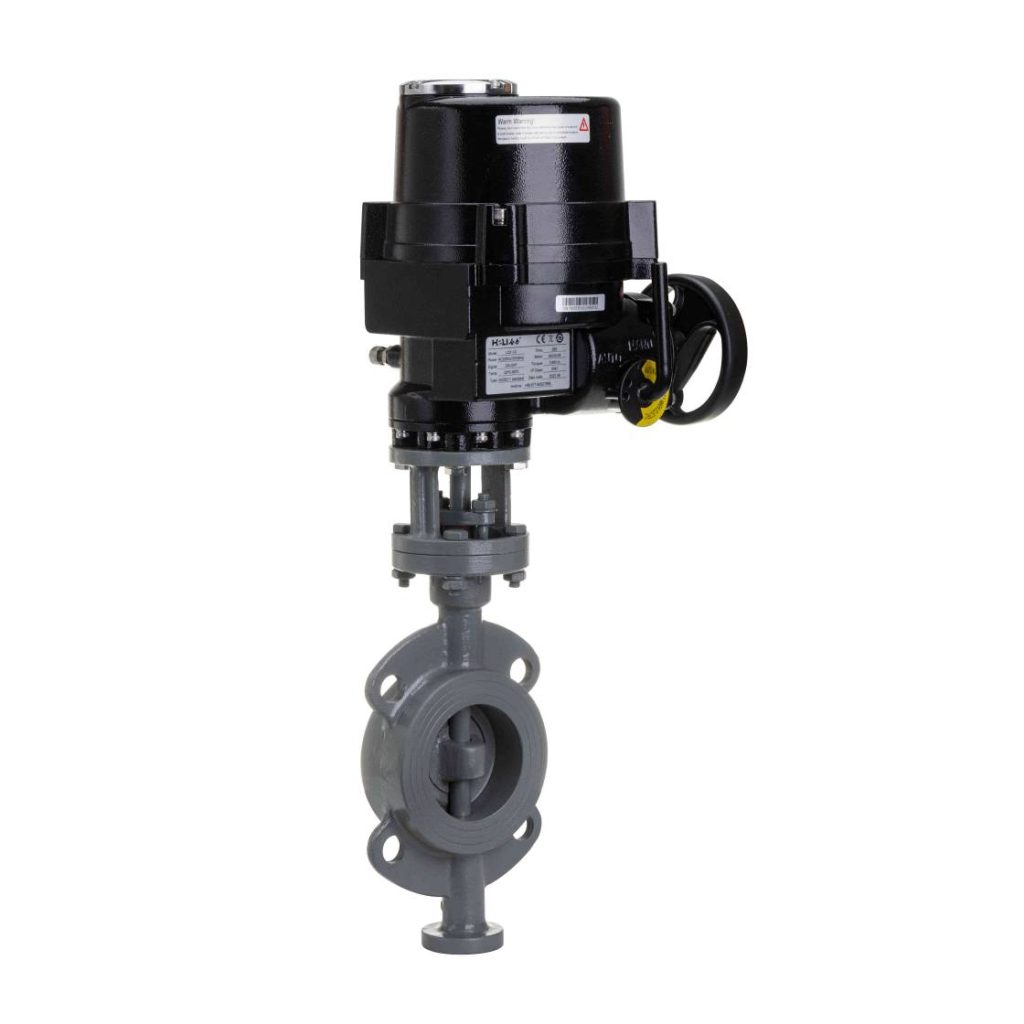
In the world of marine engineering and shipbuilding, valves play a crucial role in ensuring the safety and efficiency of marine systems. Among various types of valves, the WCB Marine Electric Butterfly Valve stands out due to its unique design, functionality, and application. This article delves into the features, advantages, and applications of the WCB Marine Electric Butterfly Valve, providing a comprehensive overview for marine professionals and enthusiasts alike.
What is a WCB Marine Electric Butterfly Valve?
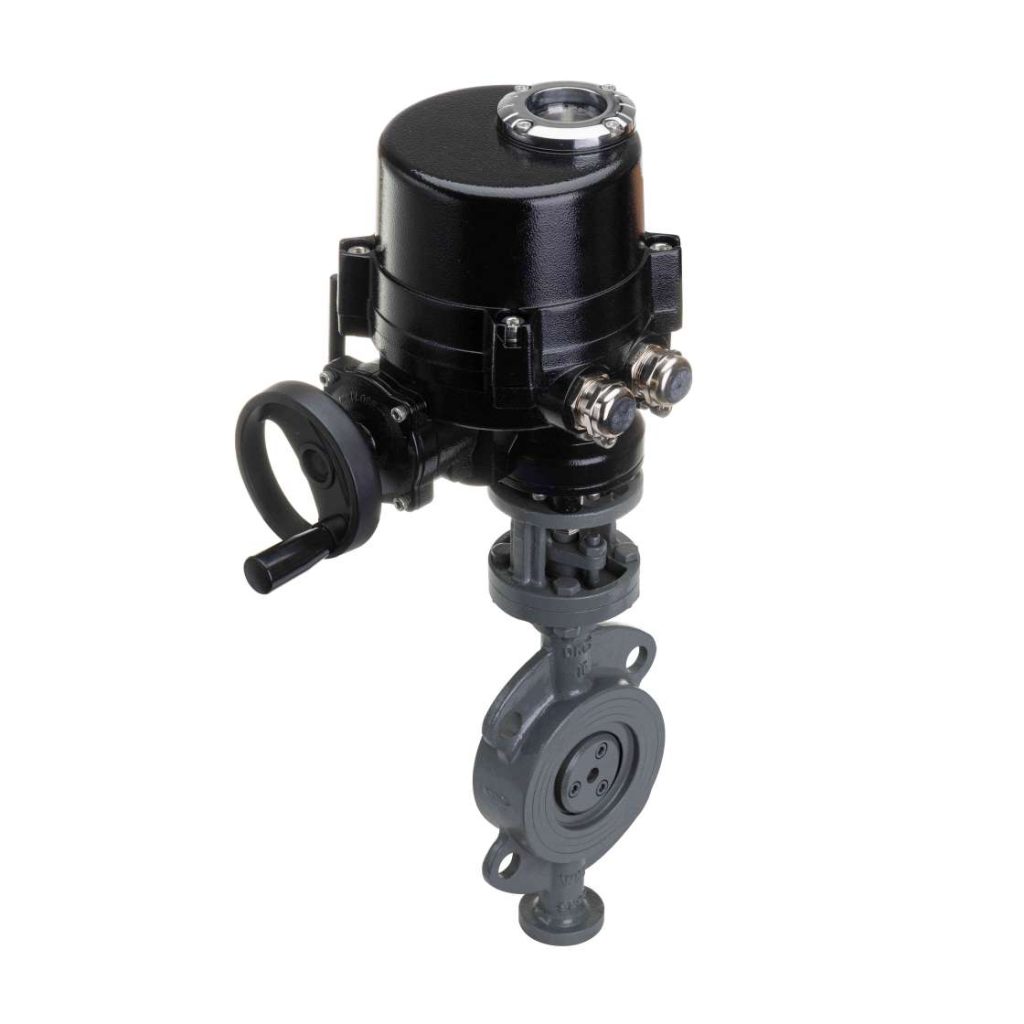
The WCB Marine Electric Butterfly Valve is a type of quarter-turn valve that consists of a rotating disc or “butterfly” that controls the flow of fluid. When the valve is closed, the disc is positioned perpendicular to the flow, creating a tight seal. Conversely, when the valve is open, the disc is parallel to the flow, allowing fluid to pass through with minimal resistance. The electric actuator drives the valve’s opening and closing, providing precise control and automation capabilities. Key Features Material Construction: WCB, which stands for “Wrought Carbon Steel,” is the primary material used in the construction of these valves. This material is known for its high strength, durability, and resistance to corrosion, making it ideal for marine environments. The valve’s body is typically coated with protective finishes to enhance its resistance to harsh conditions encountered at sea.