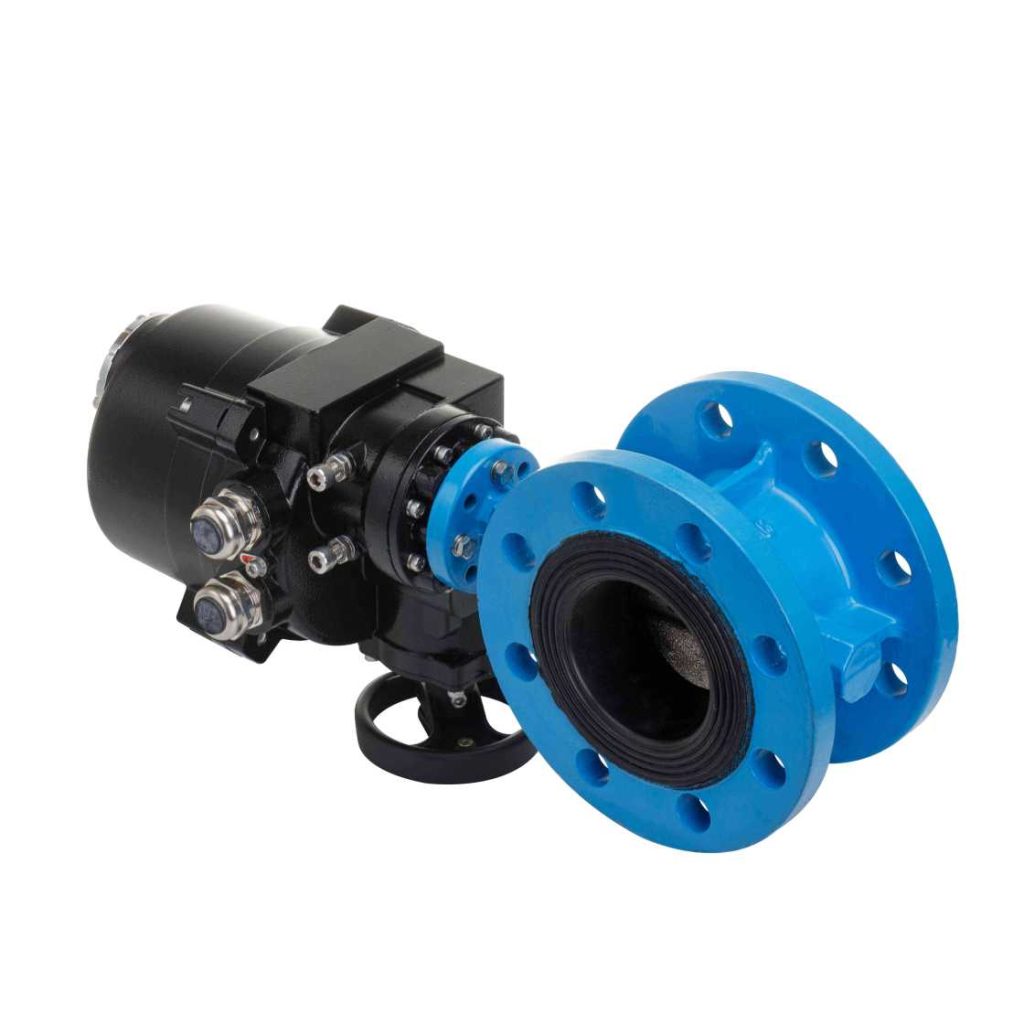
The WCB Electric Flanged Butterfly Valve is a highly efficient and reliable valve solution widely used in flow control systems across various industries. Known for its robust construction, advanced features, and seamless operation, this valve type is essential for regulating the flow of liquids and gases in pipelines. The WCB Electric Flanged Butterfly Valve has proven itself as a cost-effective solution that combines both ease of operation and maintenance with high levels of performance and durability. In this article, we will explore the key aspects of the WCB Electric Flanged Butterfly Valve, including its design, applications, advantages, and installation considerations.
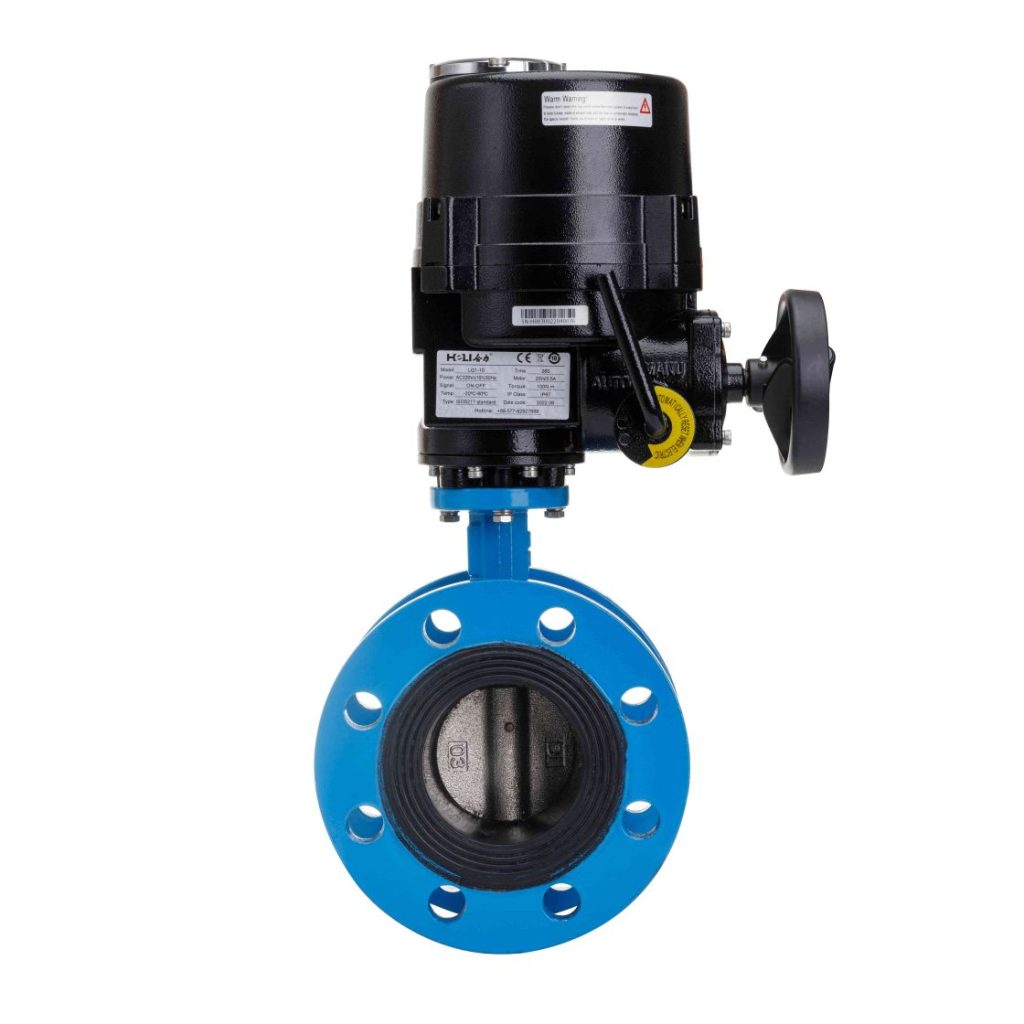
Design and Construction
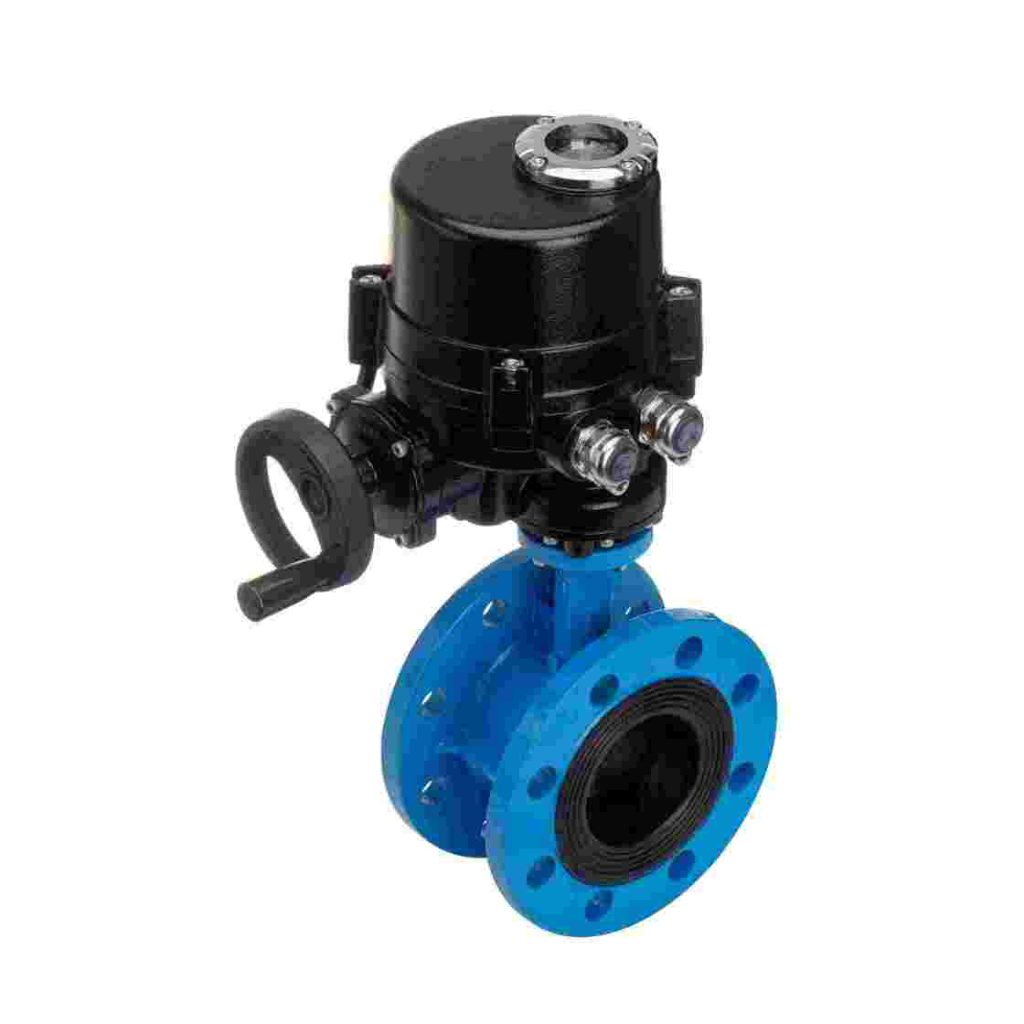
The WCB Electric Flanged Butterfly Valve is primarily made of carbon steel (WCB) material, which ensures durability and resistance to corrosion and wear. Its flanged design allows for easy installation between two pipe sections, making it an ideal choice for systems requiring frequent valve replacements or maintenance. The butterfly valve consists of a circular disc or vane that rotates to control the flow of the medium within the pipeline. This design allows for a quick, tight shut-off, and smooth throttling operations. What sets the WCB Electric Flanged Butterfly Valve apart is the inclusion of an electric actuator. The electric actuator ensures that the valve can be remotely operated, reducing the need for manual intervention and providing more precise control. The actuator can be easily connected to a control system, making it ideal for automated applications, such as in manufacturing, water treatment plants, and HVAC systems.